
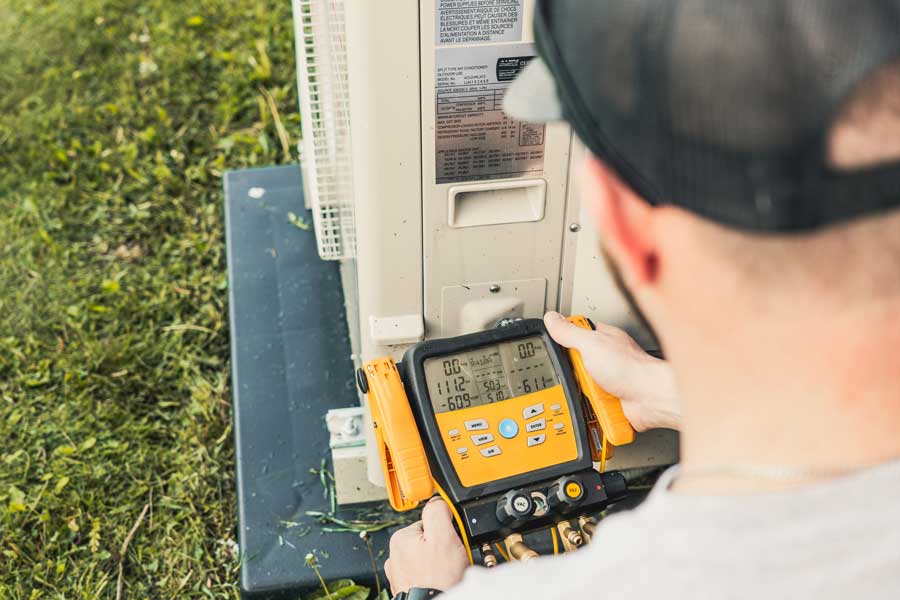
When a mini split starts blowing weak air in the middle of a North Las Vegas summer, small problems rarely stay small. Knowing the early signs that you need ductless mini split repair can save you from a sweltering breakdown and a bigger bill. Below are the warning signs our technicians look for first.
Ductless mini split systems have become a popular cooling solution for homeowners in North Las Vegas, NV. They deliver efficient, zoned cooling, flexible installation, and room-by-room temperature control. According to the U.S. Department of Energy, ductless systems are an especially practical option for homes without traditional ductwork and for spaces such as additions, garages, and home offices.
While mini split systems are known for reliability, they are not immune to occasional problems. Because cooling systems work so hard in the desert climate, even small issues can affect performance if they are not addressed early.
Key Points
- Weak airflow, poor cooling, and unusual noises are the most common early signs of mini split trouble.
- Water dripping from the indoor unit usually means a clogged condensate drain line, not a failed system.
- Ice on the indoor coil signals restricted airflow or low refrigerant, even during extreme summer heat.
- Short cycling stresses components and drives up energy bills.
- Early professional diagnosis keeps small issues from becoming major repairs.
Weak Airflow From the Indoor Unit
A healthy mini split system should deliver a steady flow of cool air into the room. If the airflow feels weak or inconsistent, the system may be struggling to circulate air properly.
Dirty Filters or Blocked Components
Dust buildup is one of the most common causes of weak airflow. Filters inside the indoor unit can become clogged with debris, especially in North Las Vegas, NV, where desert dust levels are often higher.
Blocked airflow can also occur when evaporator coils become dirty or when the fan motor begins to wear out. When these problems develop, professional ductless mini split repair can restore proper airflow and cooling performance.
Your Mini Split Runs but Won’t Cool the Room
Another common warning sign is when the mini split runs but fails to cool the room effectively. If the system operates continuously but indoor temperatures remain high, there may be a deeper issue affecting the cooling cycle.
Possible Refrigerant or Coil Problems
Low refrigerant levels can reduce the system’s ability to remove heat from the home. Dirty coils may also prevent heat transfer, making it difficult for the system to cool the room.
Our technicians are trained to diagnose the root cause, not just the symptom. They evaluate refrigerant levels, inspect coils, and confirm the system is operating properly, so the fix holds up when summer temperatures push past 110 degrees.
Unusual Noises During Operation
One of the reasons homeowners choose mini splits is how quietly they run. On most systems, the indoor unit produces little more than a soft hum of moving air. That quiet baseline works in your favor: when something changes, you’ll hear it. A new sound from the indoor or outdoor unit is almost always the system telling you a component is loose, wearing out, or under strain.
Types of Sounds to Watch For
- Rattling: Usually points to loose components, such as panel screws, fan blades, or mounting hardware that has worked free over time. Harmless at first, but vibration tends to loosen things further.
- Grinding: A more serious sound that often means the fan motor bearings are wearing down. Left alone, a failing motor can take other components with it.
- Buzzing: Can point to electrical issues like a failing capacitor, loose wiring, or a contactor struggling to engage. Electrical problems rarely fix themselves and shouldn’t wait.
- Clicking or popping: Occasional clicks at startup are normal, but constant clicking during operation can mean a relay or control board issue.
- Hissing or gurgling: May signal refrigerant escaping from the lines, which affects both cooling power and the long-term health of the compressor.
The pattern matters as much as the sound itself. A noise that gets louder, more frequent, or shows up alongside weaker cooling is a system asking for help. Catching it at the rattle stage is almost always cheaper than waiting for the grind..
Water Leaking From the Indoor Unit
Mini split systems remove moisture from the air during the cooling process. Normally, this moisture drains safely through a condensate line connected to the unit. When homeowners notice water dripping from the indoor unit, it often means the drain line has become clogged.
Drain Line Blockages
Dust and debris can accumulate inside the drainage system over time, blocking the normal flow of water. When this happens, moisture may back up and leak from the unit. Professional service can clear the condensate drain line and ensure the system drains properly.
Ice Forming on the Indoor Coil
It may seem surprising, but mini split systems can develop ice even during extremely hot weather. Frozen evaporator coils typically occur when airflow is restricted or refrigerant levels are too low.
Signs of Frozen Components
Homeowners may notice reduced airflow, visible frost on the indoor unit, or water around the system once the ice begins to melt.
Routine inspections during professional AC maintenance visits help technicians detect airflow restrictions and refrigerant issues before freezing problems develop.
Short Cycling: The System Turns On and Off Frequently
A mini split system should run steady cooling cycles to maintain the desired indoor temperature. If the system begins turning on and off frequently, it may be short-cycling. Short cycling places additional stress on system components and can reduce the overall efficiency of the unit.
Causes of Short Cycling
This problem may occur due to sensor issues, airflow restrictions, or problems with system calibration. Professional technicians can diagnose the root cause and adjust the system for proper operation.
Higher Energy Bills Than Normal
An unexpected increase in energy bills can also signal trouble with your ductless mini split system. When the system becomes less efficient, it must run longer to cool the same space. Dirty coils, refrigerant problems, and mechanical wear can all contribute to reduced efficiency.
Addressing these issues early helps prevent unnecessary energy consumption and protects the long-term health of the system.
When Replacement Makes More Sense Than Repair
Although ductless mini split systems can provide years of reliable service, they do not last forever. Over time, components begin to wear out, and cooling performance may decline.
When repair costs become frequent, or the system can no longer maintain comfortable temperatures, homeowners may consider ductless mini split installation as a long-term solution. Modern systems often provide improved efficiency, quieter operation, and more advanced temperature control. Either way, you will get an honest walk-through of both options, and you make the call.
Protecting Your Cooling System in the North Las Vegas Climate
The desert climate in North Las Vegas, NV, places heavy demands on air conditioning systems. Mini split units must operate consistently to keep homes comfortable during extended periods of extreme heat.
Recognizing warning signs early can help homeowners prevent small issues from becoming major repairs. Weak airflow, cooling problems, unusual sounds, and water leaks should always be evaluated by a professional technician. Routine care and prompt service help ensure your ductless mini split system continues delivering reliable comfort throughout the year.
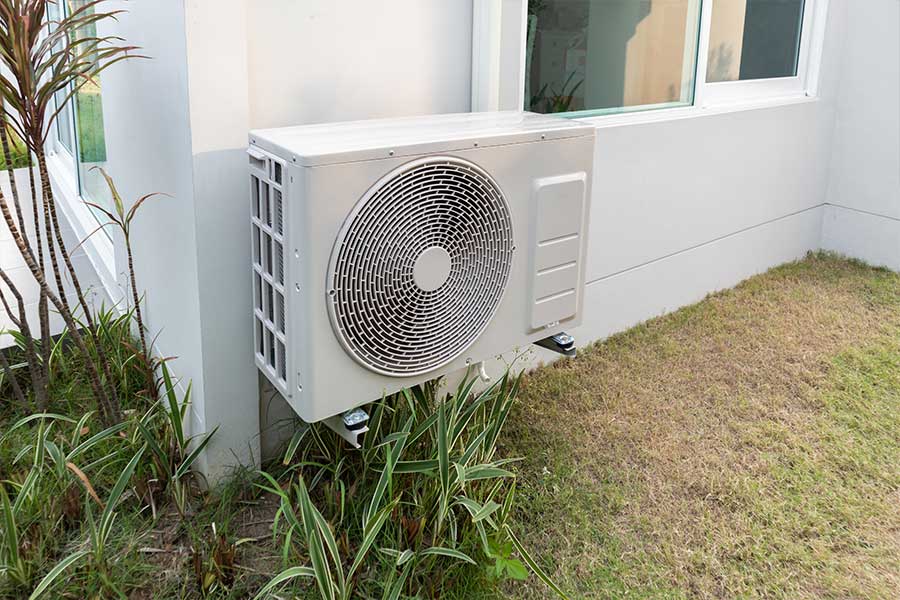
Ductless Mini Split Repair FAQs
Why is my mini split leaking water?
In most cases, a clogged condensate drain line is to blame. Dust and debris block the normal flow of water, causing moisture to back up and drip from the indoor unit. A technician can clear the line and confirm the system drains properly.
Why is there ice on my mini split in the summer?
Frozen evaporator coils usually mean airflow is restricted or refrigerant is low. Reduced airflow, visible frost, or water pooling as the ice melts are all signs it is time to schedule service.
Should I repair or replace my ductless mini split?
If repairs are becoming frequent or the system can no longer hold a comfortable temperature, replacement may be the smarter long-term investment. A technician can walk you through what each option realistically costs so you can decide without pressure.
Get Honest Mini Split Repair in North Las Vegas, NV
If your ductless mini split system is showing any of these warning signs, professional service can restore performance and prevent further damage. Our team diagnoses the problem, explains your options clearly, and completes the repair with no pressure and no upsells. And if your system quits during extreme heat, emergency HVAC repair is available when you need it most.
32 Degrees AC & Furnace Repair proudly serves homeowners throughout North Las Vegas and the surrounding communities. Contact our team today to schedule service and keep your ductless mini split running smoothly and your home comfortable year-round.