
Your AC is running, but it is not cooling. You are hot, uncomfortable, and wondering what is broken. A failed condenser fan motor could be to blame, and before you panic about expensive repairs, here is how to diagnose it yourself in six straightforward steps.
Key takeaway: A failed condenser fan motor is one of the most common AC problems, and some fixes are DIY-friendly. Others require a professional touch. We will walk you through how to tell the difference.
Step 1: Is Your AC Acting Up? Check the Basics
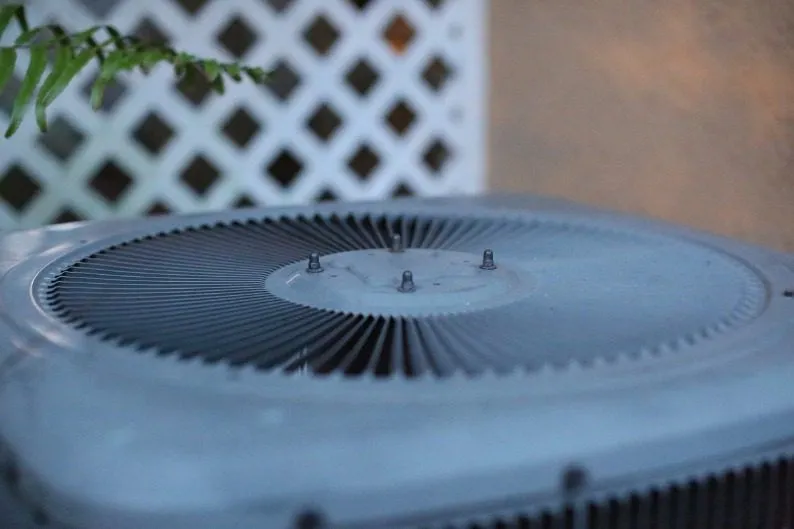
Start with what you can see and hear. Is your AC running but only blowing warm air? Is the outdoor fan spinning? Strange buzzing or humming noises? These are all red flags pointing to the condenser fan motor. If the fan blades are not spinning, or they are moving sluggishly, there is a good chance the motor is struggling.
Step 2: Safety First! Power Down Before You Inspect
Safety first! Before poking around, cut the power to your AC at the breaker. Once it is off, head to the outdoor unit and inspect the fan blades. Are the blades clogged with dirt or debris? Sometimes, leaves or small twigs can jam the fan. If the blades are clear but still do not turn easily when nudged, the motor might be stuck or the bearings could be worn out.
Step 3: Is the Capacitor Dead? Here is How to Tell
The capacitor is a small device that helps start and run the fan motor. If it fails, the motor will not have the juice to start spinning. Use a multimeter to test the capacitor. With the power still off, disconnect the capacitor and check if it is holding a charge. If the reading is outside the recommended range, it is likely the problem. The good news: replacing a capacitor is usually quick and affordable.
Step 4: Burned Wires? Check These Connections
Sometimes the issue is not the motor or the capacitor, it is the wiring. Loose connections, frayed wires, or corrosion can interrupt the flow of electricity. Check the wires connected to the condenser fan motor and capacitor. If you notice burnt wires or disconnected terminals, you have likely found the problem. Fixing this might involve tightening connections or replacing damaged wires. If you are not comfortable working with electrical parts, call a professional.
Step 5: Motor Failed? Three Signs It Needs Replacement
If the capacitor is fine and the wiring looks good, it is time to test the motor. Set your multimeter to measure resistance and test the motor terminals. No resistance (an open circuit) means the motor is dead. You might also notice a burnt smell or discoloration. If the motor is overheating or visibly damaged, it likely needs to be replaced. At 32 Degrees, we have diagnosed hundreds of these failures, and we dig deeper than the symptom to find the real cause. When the motor itself is the culprit, it is time for AC repair from a professional.
Step 6: Old AC System? Time to Plan an Upgrade
If your AC is 10 to 15 years old, a failed fan motor could be just the beginning of more issues. Older systems are less efficient and more prone to breakdowns. Replacing the motor might help for now, but it may be time to start planning for a system upgrade.
When to Call a Professional
While some steps like clearing debris or checking fan blades are DIY-friendly, others require technical skills. If you are unsure about testing electrical components or replacing parts, do not hesitate to call an HVAC technician. They will get to the root of the problem and have your system running again in no time.
Keep Your AC Running: Regular Maintenance Prevents Fan Motor Failure
The best way to avoid a failed condenser fan motor is through regular maintenance. Clean the outdoor unit regularly to keep dirt and debris from building up. Replace your air filters to maintain proper airflow, and schedule an annual HVAC tune-up to catch issues early. Diagnosing a failed condenser fan motor does not have to be overwhelming. Start simple, look for signs of trouble, inspect the blades, and check the capacitor. If the motor itself is the issue, it is time for a replacement. And if you are unsure, let a professional step in. A little troubleshooting can go a long way in keeping your AC system running smoothly. Whether you fix it yourself or contact our team today, staying cool and comfortable all summer is well within reach.