
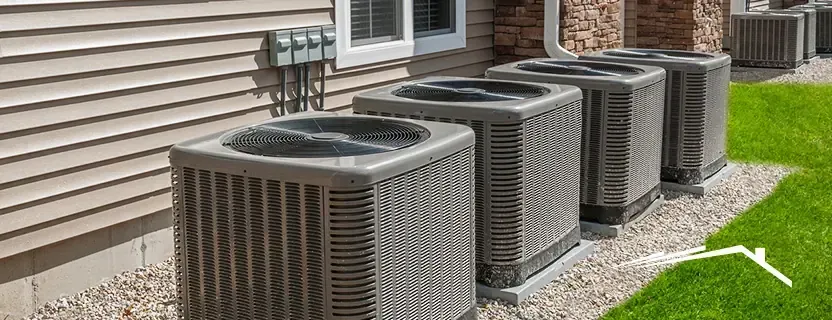
As the temperatures begin to drop, nothing beats curling up in a warm, cozy home. But if you’re still feeling chilly in some rooms or noticing unusually high heating bills, your HVAC system may not be the issue—it could be your insulation.
Let’s explore how insulation plays a vital role in HVAC efficiency and how to get your home ready for a snug, energy-saving season.
Why Insulation and HVAC Are the Perfect Pair
Think of your HVAC system as a warm coat for your house, and insulation as the soft fleece lining that keeps all that warmth inside. Without proper insulation, all the warm air your HVAC system works to produce escapes through your walls, roof, or windows—causing uneven heating and increased wear on your system.
That means higher bills, colder rooms, and more frequent maintenance. HVAC and insulation work together to keep your home comfortable and efficient.
Signs Your Home Might Need a Little Insulation Boost
Wondering if your insulation is up to par? Here are some common signs that your home could use an insulation upgrade:
- Cold or Drafty Spots: Uneven warmth across rooms may mean insulation gaps.
- High Energy Bills: If heating costs spike every fall or winter, your system might be overcompensating for lost heat.
- Temperature Fluctuations: Rapid indoor temperature changes, especially on windy days, often point to poor insulation.
- Cold Walls, Floors, or Ceilings: Surfaces that feel chilly to the touch can indicate escaping heat.
Easy Fixes to Improve Insulation Before Winter
Boosting your home’s insulation doesn’t always mean a full-scale renovation. Here are simple ways to improve warmth and efficiency:
1. Add Weather Stripping to Doors and Windows
Seal up gaps with weather stripping to block drafts and retain indoor heat. It’s an affordable and quick fix that makes a big difference.
2. Use Thermal Curtains
Install thermal curtains to reduce heat loss through windows. They’re especially effective in older homes or drafty areas.
3. Check Attic Insulation
Up to 25% of heat can escape through the roof. If your attic looks sparse, consider adding fiberglass or cellulose insulation as a weekend DIY project.
4. Seal Up Cracks and Gaps
Use caulk or foam sealant on visible cracks around floors, walls, and ceilings. Every little seal helps reduce heat escape.
5. Insulate the Water Heater and Pipes
If your water heater or pipes are in unheated spaces, wrap them in insulation to reduce energy waste and keep hot water flowing efficiently.
The Payoff: A Cozy Home and Lower Bills
Upgrading your insulation means lower energy bills and better comfort. Your HVAC system won’t need to work overtime to maintain warmth, reducing wear and saving you money over time.
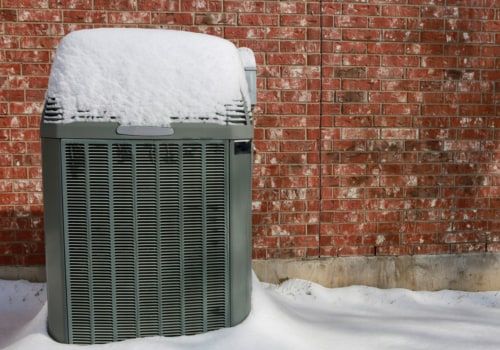
A Final Thought: Your Fall Checklist for Comfort
As autumn settles in, take time to ask yourself: is my home ready for the cold? Even small insulation improvements can go a long way in supporting your HVAC system and ensuring a cozy, cost-effective season. Here’s to a warm, efficient, and draft-free fall!