
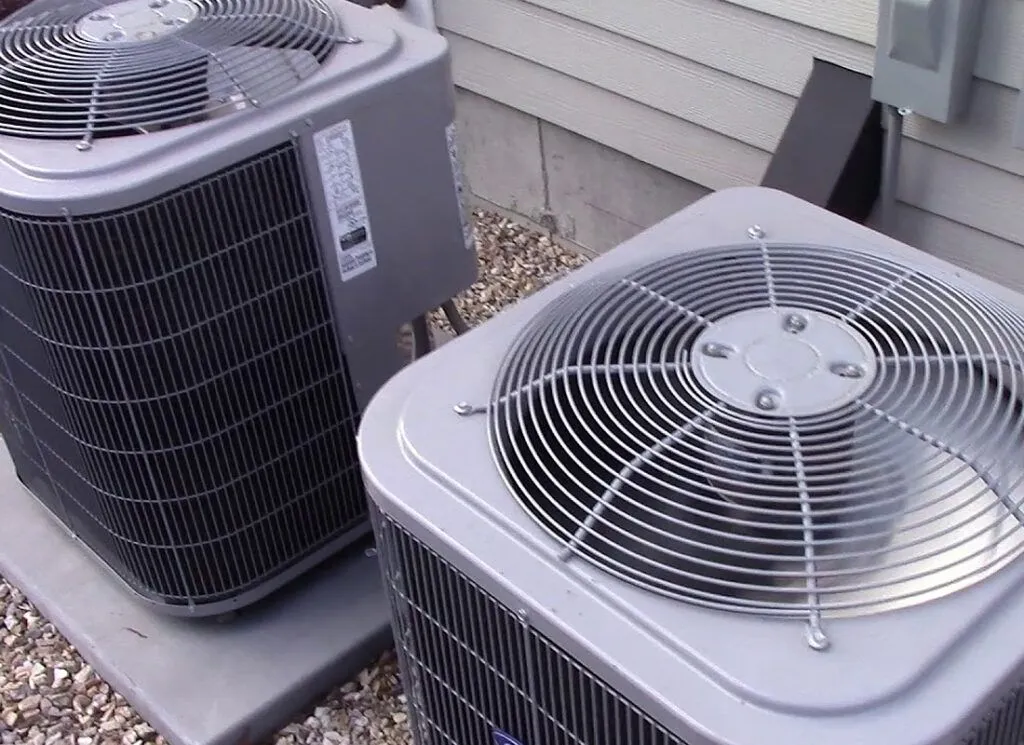
When the temperature soars in Las Vegas, your HVAC system works overtime to keep your home cool and comfortable. But without the proper preparation and care, a heatwave can strain your system, potentially leading to malfunctions or inefficient cooling.
Here’s an extensive guide on how to ensure your HVAC system is ready for the summer heat and what to do if it begins to struggle.
Pre-Heatwave Preparation
1. Professional Maintenance Check-Up
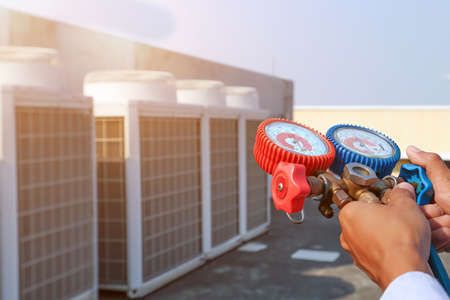
Start with a thorough check-up from a professional HVAC technician. Ideally, schedule this preventive maintenance before summer starts. It includes checking refrigerant levels, thermostat calibration, and inspecting the condenser unit for efficiency issues.
2. Replace or Clean Air Filters
Airflow is key to system efficiency. Dirty filters force your HVAC to work harder. Replace them every 1–2 months in summer, or more often if you have pets or allergies. Fresh filters before a heatwave ensure proper airflow.
3. Clear the Area Around the Outdoor Unit
Ensure at least two feet of space around your outdoor condenser unit. Clear away any leaves, debris, or shrubs. Make sure the unit is on a stable and level surface to allow proper operation.
4. Insulation and Sealing Checks
Inspect HVAC duct insulation, especially in unconditioned spaces like attics or basements. Proper sealing and insulation preserve cool air. Also check windows and doors for leaks and seal them to prevent energy waste and system strain.
During a Heatwave
5. Thermostat Management
The U.S. Department of Energy recommends setting your thermostat to 78°F when you’re home. Raise it when you’re away. This balances comfort with efficiency and eases your system’s workload.
6. Utilize Fans
Ceiling and portable fans help circulate air, reducing hot spots and letting you raise the thermostat a few degrees without sacrificing comfort.
7. Avoid Internal Heat Build-Up
Reduce the use of heat-generating appliances during the hottest parts of the day. Cook or bake in the early morning or evening. Use curtains or blinds to block direct sunlight and keep indoor temps lower.
8. Monitor Your System’s Performance
If your system can’t maintain temperature or ice builds up on coils, it may indicate issues like low refrigerant, poor airflow, or compressor trouble. Don’t ignore these signs.
Emergency Measures If Your System Struggles
9. Know When to Call Professionals
If your system frequently cycles, can’t cool the home, or shuts down, call the HVAC experts at 32 Degrees. Prompt service can prevent further damage and get your system back on track.
10. Temporary Cooling Solutions
While waiting for repairs, use portable ACs, window units, or evaporative coolers to stay cool — especially in key areas like bedrooms and living spaces.
On a Final Note
Preparing your HVAC system for a heatwave means both proactive maintenance and smart in-the-moment adjustments. These steps will help your system remain efficient, extend its life, and keep your home comfortable even in extreme heat. Don’t skip regular upkeep — it’s your best defense against breakdowns during the hottest months.