


The Lakes grew up around Lake Sahara in the 1980s, making it one of the longer-standing neighborhoods on the west side of Las Vegas. After four decades, many homes here have been through several rounds of heating and cooling equipment. Often those upgrades happened one piece at a time, with a new outdoor unit one year and a new air handler another.
32 Degrees AC & Furnace Repair repairs heat pumps throughout The Lakes, from single-family homes along the water to the condos and townhomes nearby. We look at how all the pieces of your system work together, explain what we find, and recommend repairs whenever they make sense. No pressure and no shortcuts.
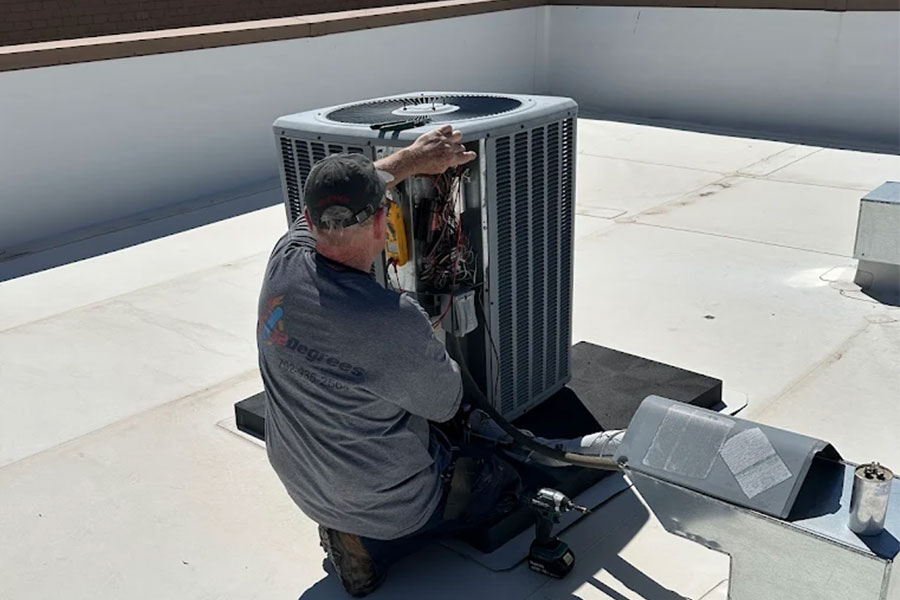
When system parts come from different years and installations, the warning signs can be subtle at first.
If your system never seemed quite right after a past repair, mismatched components may be part of the story. A full-system diagnosis can sort out what is working and what is not.
A heat pump works best when its outdoor unit, indoor coil, and air handler are designed to work together. In many Lakes homes, those parts were replaced at different times and may not be well matched. That can lead to poor refrigerant flow, coils that freeze or sweat, and lower efficiency than the newer parts should deliver.
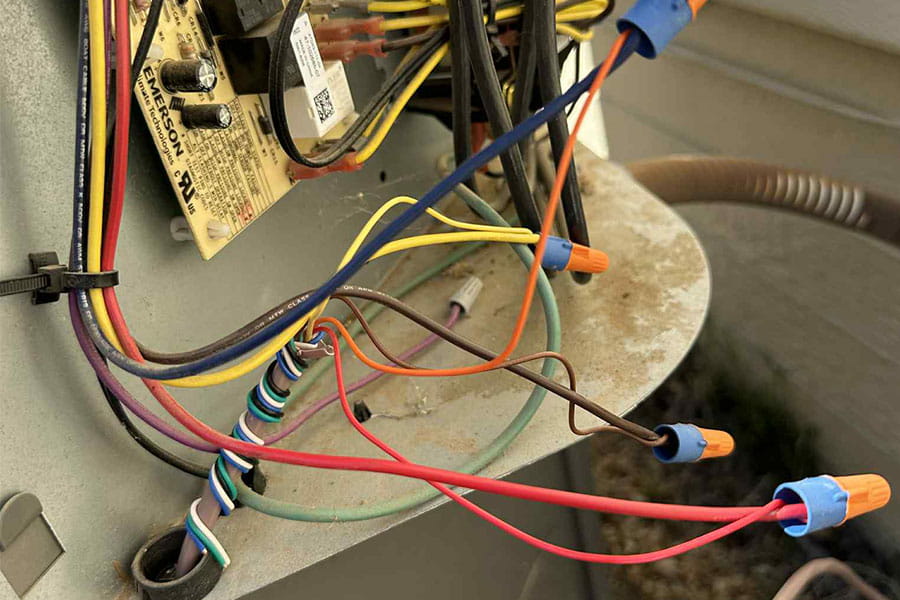
Electrical systems are another concern in homes from the 1980s. Older disconnects, breakers, and thermostat wiring may not be in great shape after years of desert heat and heavy summer use. Loose or corroded connections can cause intermittent shutdowns that look like a failing heat pump.
Many homes also have older refrigerant lines running through attics and walls. Lines that have expanded and contracted through decades of temperature swings can develop small leaks. Finding and fixing those leaks is often the key to restoring steady performance.
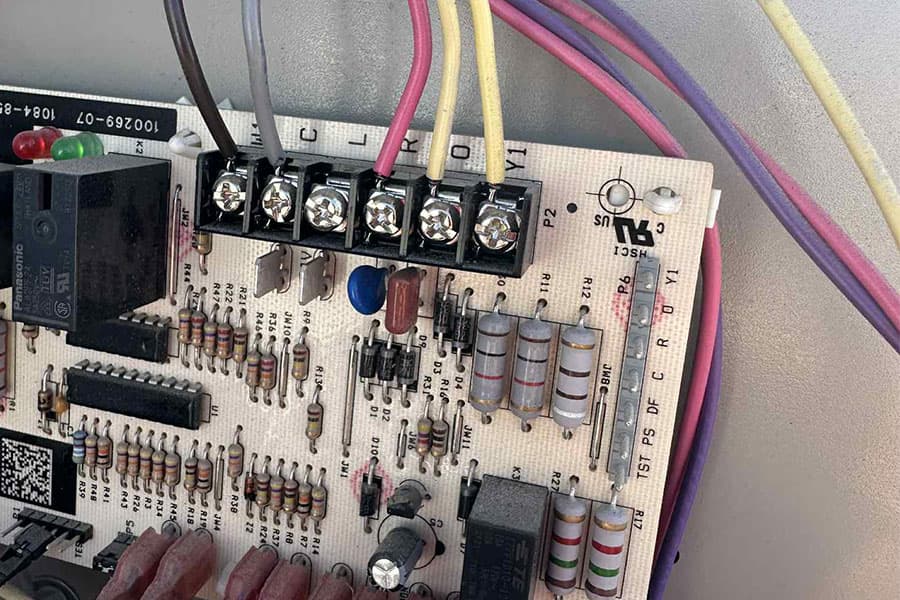
Our first step is figuring out what equipment you actually have. Our technician identifies the outdoor unit, indoor coil, and air handler, checks how well they are matched, and looks for signs of past repairs. That context shapes every recommendation we make.
From there, we test electrical connections, capacitors, contactors, and the thermostat, measure refrigerant pressures, and search for leaks along the line set. Repairs often include replacing worn electrical parts, repairing leaks, correcting refrigerant charge, cleaning coils, and updating old thermostat wiring. When a mismatch is causing ongoing trouble, we explain your options honestly.
Our aim is to get your existing system performing as well as it can. When a repair will not deliver that, we will say so clearly. You decide the next step with all the facts in front of you.
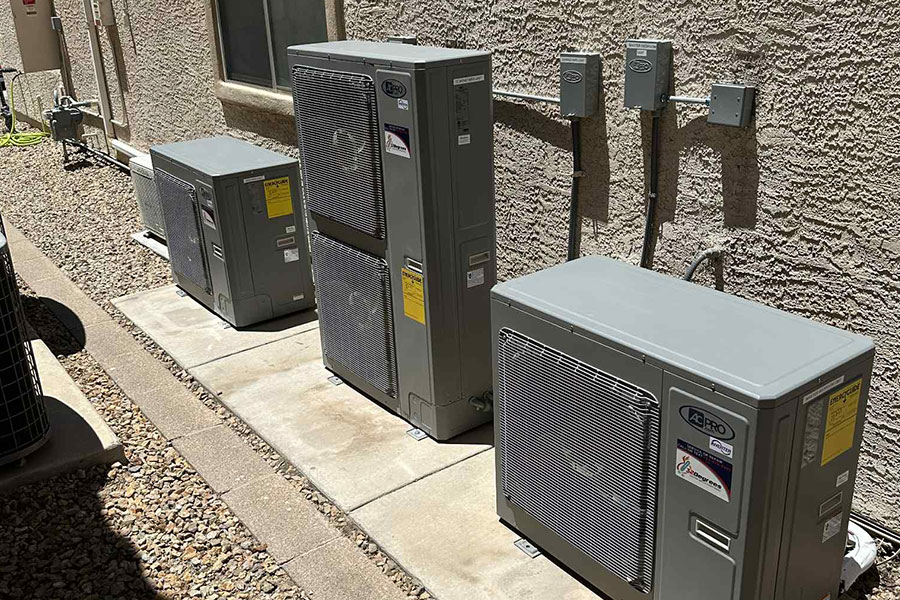
Linda lives in a townhome near Lake Sahara, and her heat pump had been topped off with refrigerant twice in two summers. Each time it worked for a while, then slowly lost cooling power again. By the third time, she wanted to know what was really going on.
Our technician ran a leak search and found a small leak at an old joint on the line set where it entered the house. He repaired the joint, pressure-tested the lines, and charged the system to the correct level. He also replaced a corroded disconnect that had been causing occasional shutdowns.
Linda’s system has held its charge and cooled steadily since. She was glad someone finally fixed the cause instead of just topping it off. That is the difference a proper diagnosis makes.
Older homes need technicians who look at the whole picture and give straight answers.
We are here to earn trust one repair and one conversation at a time. That is how we serve every home in The Lakes.
Heat pumps are sealed systems, so repeatedly low refrigerant means there is a leak. Finding and repairing the leak is the lasting fix.
It is a system where the outdoor unit, indoor coil, or air handler were not designed to work together. Mismatches can reduce efficiency and cause recurring problems.
Yes. Worn disconnects, breakers, or corroded wiring can cause intermittent shutdowns. A technician can test and replace these parts as needed.
Low refrigerant, poor airflow, or mismatched components are common causes. Turn the system off if you see ice and schedule a diagnostic.
An outdated thermostat or worn wiring can cause erratic operation. We can check whether yours is working properly with your current system.