






1. Year-Round Comfort in One System
The most obvious advantage of a heat pump is its ability to both heat and cool your home. During the summer, it functions like a traditional air conditioner by removing indoor heat and releasing it outside. In the winter, it reverses the process—drawing heat from the outside air and transferring it indoors to keep your home warm.
This dual functionality means you don’t need to invest in separate heating and cooling systems, simplifying both installation and maintenance.
2. Energy Efficiency That Saves Money
Heat pumps are incredibly efficient because they transfer heat instead of generating it. This process consumes significantly less energy than furnaces or electric heaters. In fact, modern heat pumps can achieve efficiencies of 300% or more—producing three times as much heat as the energy they use.
Lower energy usage leads to reduced utility bills, making heat pumps a cost-effective choice for homeowners.
3. Environmentally Friendly Heating and Cooling
Thanks to their high efficiency, heat pumps are a greener option compared to many traditional systems. They reduce greenhouse gas emissions and use electricity instead of fossil fuels.
If you’re eco-conscious, pairing a heat pump with solar panels can maximize your home’s sustainability.
4. Consistent Temperatures and Comfort
Heat pumps deliver even, consistent temperatures across your home. Unlike systems that cause hot or cold spots, heat pumps make gradual climate adjustments, ensuring comfort without dramatic fluctuations.
Many models include variable-speed compressors that adjust to your home’s specific heating or cooling needs for optimal performance.
5. Improved Indoor Air Quality
Since heat pumps don’t use combustion, they avoid generating indoor air pollutants like carbon monoxide. Many also include advanced filtration to reduce dust, allergens, and other airborne irritants—greatly improving indoor air quality.
6. Quiet Operation
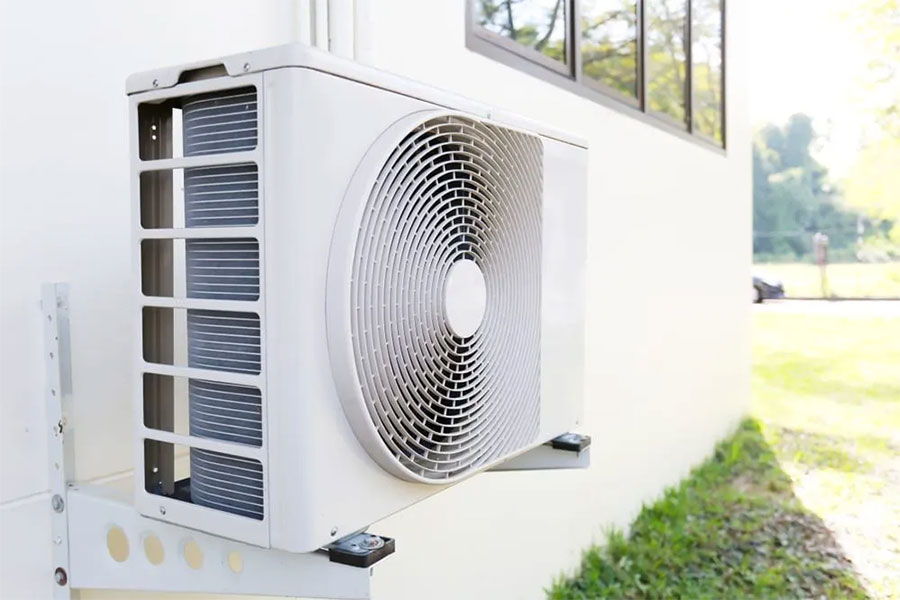
Heat pumps are known for their quiet performance, especially ductless mini-split models. With smooth indoor operation and quieter outdoor units, they’re ideal for homeowners who value peace and quiet.
7. Flexibility with Ducted and Ductless Options
Heat pumps are available in both ducted and ductless configurations, giving you options based on your home’s design:
- Ducted Heat Pumps: These integrate seamlessly with existing ductwork, ideal for homes with central air systems.
- Ductless Mini-Splits: These are perfect for homes without ducts or for targeted heating and cooling in specific rooms.
This flexibility makes heat pumps a versatile solution for a variety of layouts and budgets.
8. Long-Term Savings
Though the upfront cost may be higher than other systems, the energy savings typically offset the initial expense. Many models also qualify for rebates, tax credits, or utility incentives—adding even more value.
9. Reduced Maintenance Needs
Because they combine heating and cooling into one unit, heat pumps usually require less maintenance. Regular filter changes, occasional inspections, and annual tune-ups are often all that’s needed—saving time and reducing long-term costs.
10. Performance in Mild to Moderate Climates
Heat pumps work best in climates with moderate temperature ranges, like Las Vegas. That said, modern systems can handle colder climates more effectively than ever, thanks to advancements in technology.
Is a Heat Pump Right for Your Home?
While heat pumps offer impressive benefits, it’s important to evaluate your home’s specific needs, climate, and energy goals. An HVAC professional can help determine whether a heat pump is your best option.
Final Thoughts
A heat pump is more than just an HVAC upgrade—it’s an all-in-one comfort solution that saves energy, improves air quality, and reduces environmental impact.
If you’re ready to explore your options, reach out to a trusted HVAC professional. The right system can provide reliable, efficient comfort all year long.