



When it comes to your HVAC system, airflow isn’t just important—it’s everything. Without proper airflow, your system struggles to keep your home comfortable, wastes energy, and risks long-term damage. But what exactly affects airflow, and how do components like ductwork, registers, and filters play a part? Let’s break it down.
Why Airflow Matters
Your HVAC system works by circulating air throughout your home, delivering conditioned air to every corner. Proper airflow ensures your system can heat or cool efficiently, maintain even temperatures, and avoid unnecessary strain.
When airflow is disrupted, you’ll notice it—some rooms stay uncomfortably warm or cold, your energy bills creep higher, and your system works harder than it should. Over time, this can lead to wear and tear, reducing the lifespan of your equipment.
Ductwork: The Highways of Your HVAC System
Your ductwork is like a network of highways, carrying air from the HVAC system to every room in your home. If the “roads” are in poor shape, the air won’t reach its destination efficiently.
- Leaky Ducts: Gaps, cracks, or loose connections allow conditioned air to escape into attics, walls, or basements—wasting energy and disrupting comfort.
- Blocked or Dirty Ducts: Dust, debris, or pests can clog ducts, increasing system strain and reducing airflow.
What You Can Do:
- Have your ducts inspected and sealed to prevent air leaks.
- Schedule regular duct cleaning to keep airflow unrestricted.
Registers and Vents: The Final Stop for Air
Registers and vents are where the air exits the ducts and enters your living space. They’re essential for airflow direction, but often overlooked.
- Blocked Registers: Furniture, rugs, or curtains can block airflow and force your system to work harder.
- Closed Vents: Closing vents in unused rooms may seem efficient but can cause pressure issues and reduce system performance.
What You Can Do:
- Keep all vents and registers clear of obstructions.
- Avoid closing too many vents to maintain balanced airflow.
Filters: The Gatekeepers of Clean Air
Filters may seem small, but they have a big impact. They trap dust and allergens while maintaining airflow. Neglecting them can cause major issues.
- Clogged Filters: Dirty filters restrict airflow, increase energy use, and strain the blower motor.
- Wrong Filter Type: Some high-efficiency filters may reduce airflow if not suited to your system.
What You Can Do:
- Replace filters every 1–3 months, or more often with pets or allergies.
- Use filters that match your system’s MERV rating and manufacturer recommendations.
Signs of Poor Airflow
Wondering if your HVAC system has airflow issues? Look out for these signs:
- Uneven Temperatures: Some rooms are too hot or too cold.
- Weak Airflow: Air from the vents feels faint or weak.
- Rising Energy Bills: System works longer and harder than necessary.
- Frequent Repairs: Overworked systems break down more often.
If you notice these problems, it’s time to check your airflow.
How to Improve Airflow in Your HVAC System
Better airflow means better comfort and system performance. Here’s how to improve it:
- Keep Filters Clean: The easiest and most effective fix. Replace filters regularly.
- Inspect Your Ductwork: Have a pro check for leaks, blockages, or poor design.
- Unblock Vents and Registers: Make sure furniture or drapes aren’t blocking airflow.
- Schedule Regular Maintenance: Annual tune-ups catch problems early.
- Consider Upgrades: Older systems may need replacing with more efficient models.
The Bottom Line
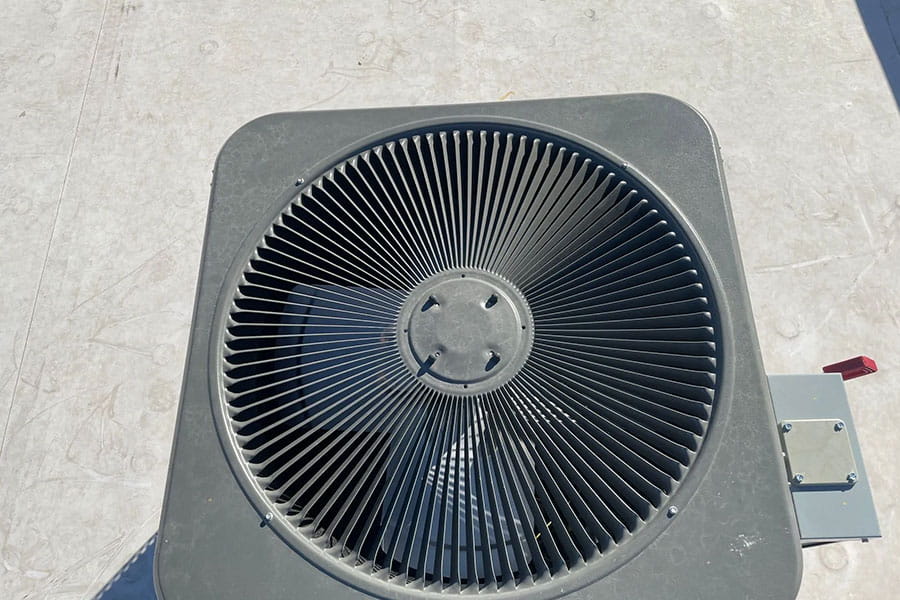
Airflow is the unsung hero of HVAC efficiency. When air moves freely—thanks to well-maintained ductwork, clean filters, and clear vents—your system performs at its best.
Ignoring airflow problems doesn’t just impact comfort; it drives up energy bills and shortens your system’s life. With routine care and professional help, you can keep everything running smoothly.
If your HVAC system isn’t delivering the comfort you expect, don’t wait. Tackle airflow issues now to save money, extend system life, and enjoy consistent comfort year-round.