



Have you ever noticed a musty smell when you turn on your HVAC system? Or maybe your home seems dustier than usual even after cleaning? These can be signs that your air ducts need attention. While duct cleaning isn’t often top of mind, it plays a big role in your home’s comfort and air quality. Let’s explore what duct cleaning involves, why it matters, and how often it should be done.
What Exactly is Duct Cleaning?
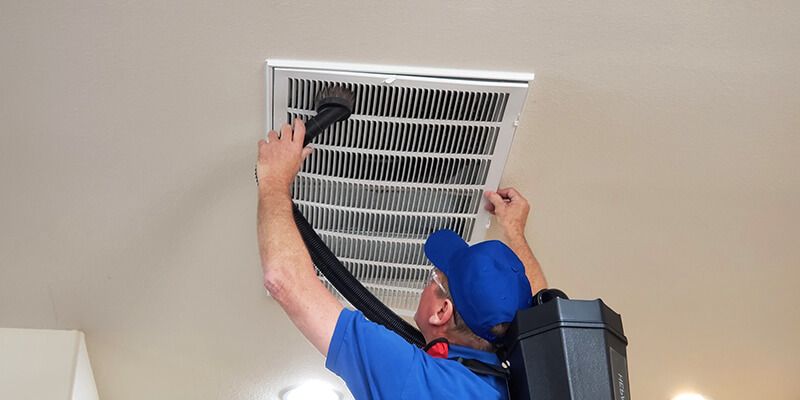
Think of your home’s air ducts like a network of highways, moving air from your HVAC system to every room. Over time, these “highways” can accumulate dust, pet dander, pollen, and even mold. Duct cleaning is a deep-cleaning process that removes this buildup using specialized equipment.
A professional duct cleaning typically includes:
- Inspection: A technician inspects the ductwork—often using a camera—to determine buildup and locate problem areas.
- Cleaning: Powerful vacuums and brushes are used to remove accumulated dust and debris.
- Sanitizing (Optional): Some companies offer antimicrobial treatments to eliminate bacteria, mold, or allergens—especially beneficial if anyone in the home has respiratory concerns.
Why is Duct Cleaning Important?
1. Improving Indoor Air Quality
If your ducts are filled with dust, pollen, or mold, these particles are circulating in your home. Clean ducts mean cleaner air, which can reduce allergy symptoms and support healthier breathing.
2. Boosting HVAC Efficiency
Clogged ducts force your HVAC system to work harder, just like trying to breathe through a straw. When ducts are clean, airflow is smoother, your system works more efficiently, and energy usage goes down—potentially saving money and prolonging system life.
3. Eliminating Odors
If you’ve noticed stale or musty smells when your system runs, it could be from dust, pet hair, or mold inside the ductwork. Cleaning helps eliminate these unpleasant odors and leaves your home smelling fresher.
When Should You Consider Duct Cleaning?
Duct cleaning doesn’t need to be done every year, but it’s definitely worth considering in specific situations:
1. After Home Renovations
Construction dust from sanding, drywall, and debris can settle in ducts. A post-renovation cleaning clears out the remnants for a fresh start.
2. If You Have Pets
Pet fur and dander can easily collect in your ductwork. If you have one or more shedding pets, cleaning every few years can reduce allergens and improve air circulation.
3. If You’re Moving into a New Home
You never know what the previous occupants left behind in the duct system. A professional cleaning gives you peace of mind and a fresh start.
4. If You Notice Persistent Dust or Allergy Symptoms
Unusual dust buildup, sneezing, coughing, or itchy eyes can point to dirty ducts. Cleaning them can significantly improve air quality indoors.
How Often Should You Clean Your Ducts?
Most homes benefit from duct cleaning every 3 to 5 years. However, if you have pets, live in a dusty climate, or someone in your household has allergies or asthma, consider cleaning more frequently—every 2 to 3 years for optimal results.
The Benefits of Clean Ducts: A Fresh Start for Your Home
Clean ducts mean cleaner air, better HVAC performance, fewer allergens, and less dusting. Your system won’t have to work as hard, and you’ll enjoy improved energy efficiency and comfort.
Think of duct cleaning as a reset button for your HVAC system. It’s a smart seasonal move, especially in fall before your system kicks into full gear for winter.
Final Thoughts: Should You Clean Your Ducts This Fall?
If you’ve noticed any signs—dust buildup, odd smells, or allergy symptoms—it might be time to schedule a duct cleaning. Even if you haven’t, a regular cleaning schedule keeps your air fresh and your HVAC system efficient.
So, as you prepare for cozy nights and colder days, don’t forget to think about the air you’ll be breathing. Clean ducts can make a big difference in comfort and health throughout the season and beyond.