



Was your Green Valley Ranch home built in the 1990s or early 2000s? If so, there is a good chance your heat pump has already been replaced once or is getting close to that point. Systems from that era may also use an older refrigerant that is now harder to find, which changes how some repairs are approached.
32 Degrees AC & Furnace Repair helps homeowners across Green Valley Ranch make sense of those decisions. We find what is actually wrong and explain what a repair will and will not accomplish. Then we give you an honest recommendation and let you make the call without pressure.
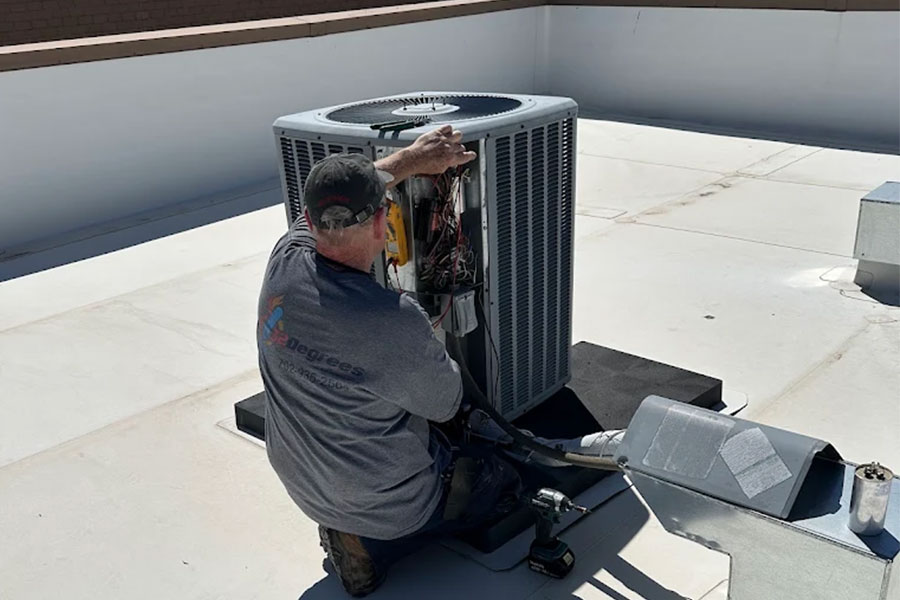
The switch between heating and cooling season is when many heat pump problems first show up in Green Valley Ranch homes.
Pay close attention during the spring and fall changeover. Problems caught then are easier to fix than ones discovered on the first 110 degree day.
Green Valley Ranch has had more than two decades to grow in, and the mature trees and landscaping that make it so appealing also affect outdoor units. Leaves and yard debris collect in coils and fan housings, while overgrown shrubs crowd the space the unit needs to breathe. Restricted airflow is one of the most common causes of poor performance we find here.
Refrigerant is the other big story. Many heat pumps installed before about 2010 use R-22, which is no longer produced in the United States. When one of those systems develops a leak, recharging it can be expensive, so an accurate diagnosis matters before deciding on a repair.
Older reversing valves, compressors, and coils are also nearing their limits after years of desert heat. Knowing the condition of each part helps you plan ahead. That beats reacting to a breakdown in the middle of summer.
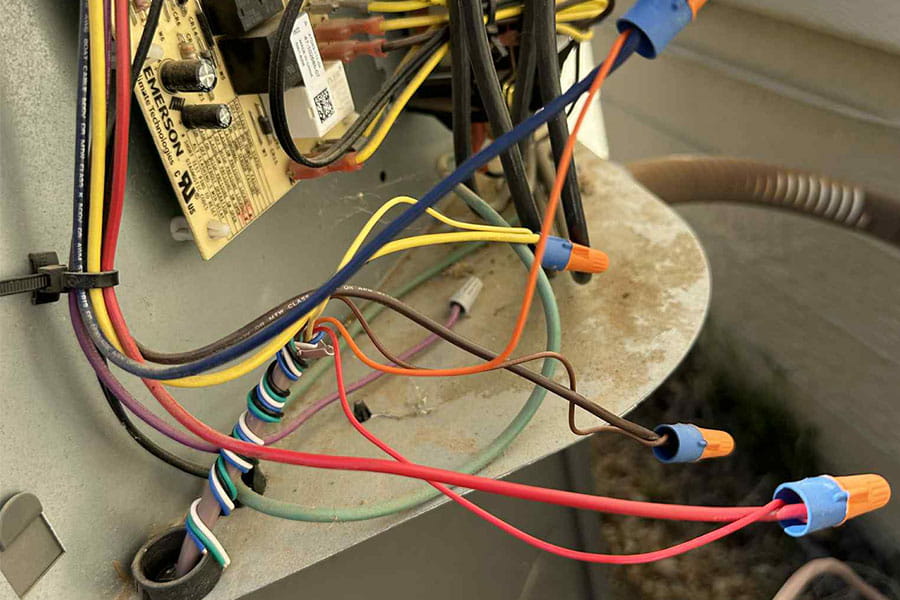
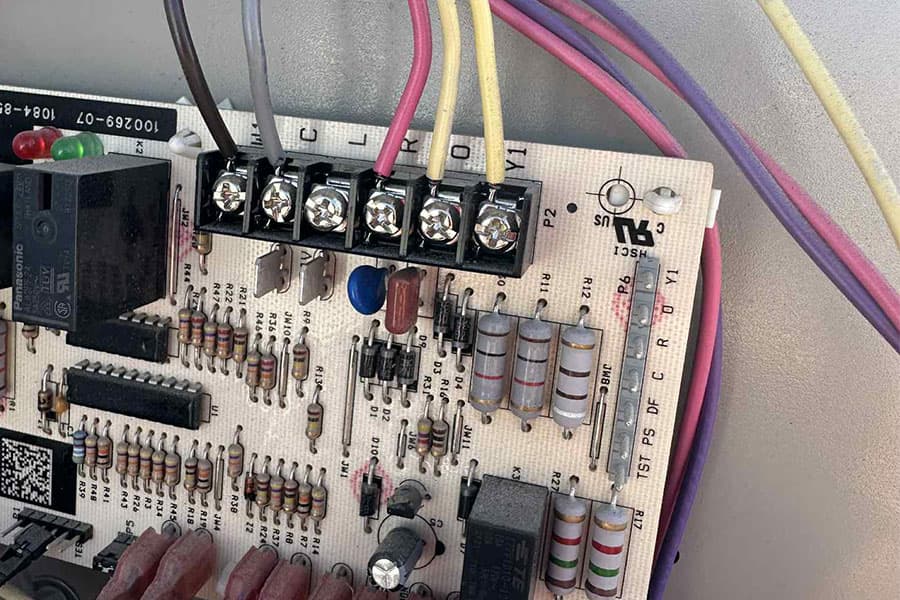
Not every repair is worth doing, and not every system needs replacing. The difference comes down to accurate information. That is why each visit starts with a full check of performance, refrigerant type and level, electrical components, and airflow.
When the fix is straightforward, such as a capacitor, contactor, fan motor, defrost board, or minor leak, we explain it and get your system running again. When the problem involves an older refrigerant or a major part like the compressor, we lay out the realistic options side by side. You will know what each choice means for your comfort and budget over the next few years.
There is no script and no pressure. The goal is simply to help you make the right decision for your home. Whatever you choose, we will do the work right.
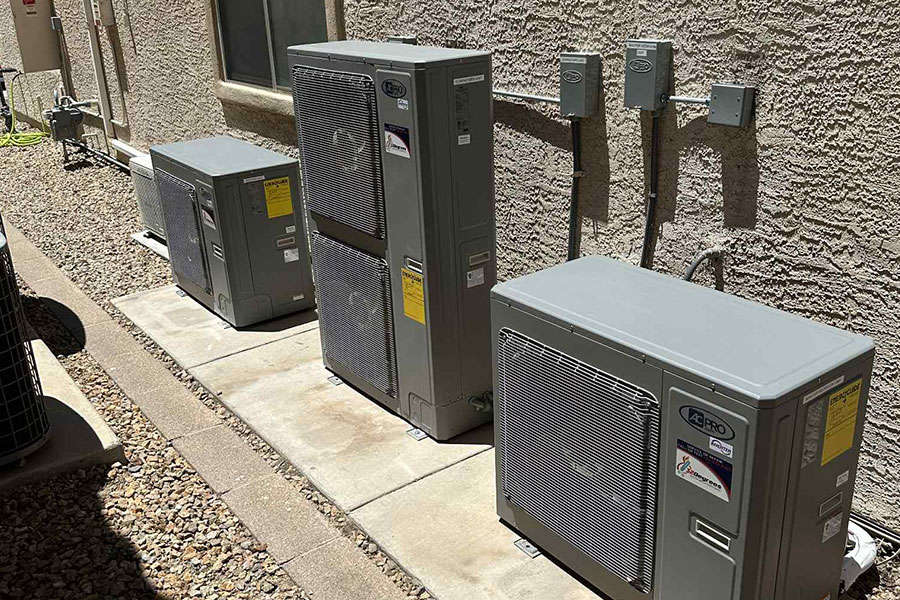
David scheduled what he thought would be a routine spring check for the heat pump in his Green Valley Ranch home. The system had run fine all winter, and he just wanted it ready before summer. During the inspection, our technician noticed the outdoor fan motor was running hot and the coil was packed with leaves.
He showed David the worn motor bearings and explained that the motor would likely fail during the first long stretch of summer heat. David chose to replace it that day. The technician also cleaned the coil and cleared the overgrown shrubs crowding the unit.
A few months later, the system made it through July without a hiccup. Catching the problem early meant no emergency call. It also meant no sweltering weekend waiting on a repair.
We think the best HVAC relationships are long ones, built on trust rather than one-time sales.
When the work is done right and the conversation is honest, customers become friends. That is what we want with every Green Valley Ranch family we serve.
Check the label on the outdoor unit, which lists the refrigerant type. Many systems installed before about 2010 use R-22, and our technician can confirm it during a visit.
Yes, many repairs that do not involve refrigerant can still be done. Leaks are a bigger decision because R-22 supplies are limited, so we walk you through the options.
A hissing sound can point to a refrigerant leak or a valve issue. Turn the system off if the noise is loud or constant and call for a diagnostic.
Yes. A spring check catches worn parts and dirty coils before summer heat puts the system under the most strain.
About two feet of open space around the unit allows proper airflow. Trim shrubs and keep leaves and yard debris away from the coil.