



Ask anyone who moved to Centennial Hills from closer to the Strip, and they will tell you winter feels different up here. The northwest edge of the valley sits higher and closer to the Spring Mountains, so cold mornings arrive earlier in the season and linger longer. That means your heat pump carries more of the heating load than systems in many other parts of Las Vegas.
32 Degrees AC & Furnace Repairhelps Centennial Hills homeowners keep those systems running through cold snaps and summer heat alike. Our technicians take time to diagnose properly, explain what they find, and recommend repairs before replacements whenever that is the right call. You get straight answers and a plan that fits your home.
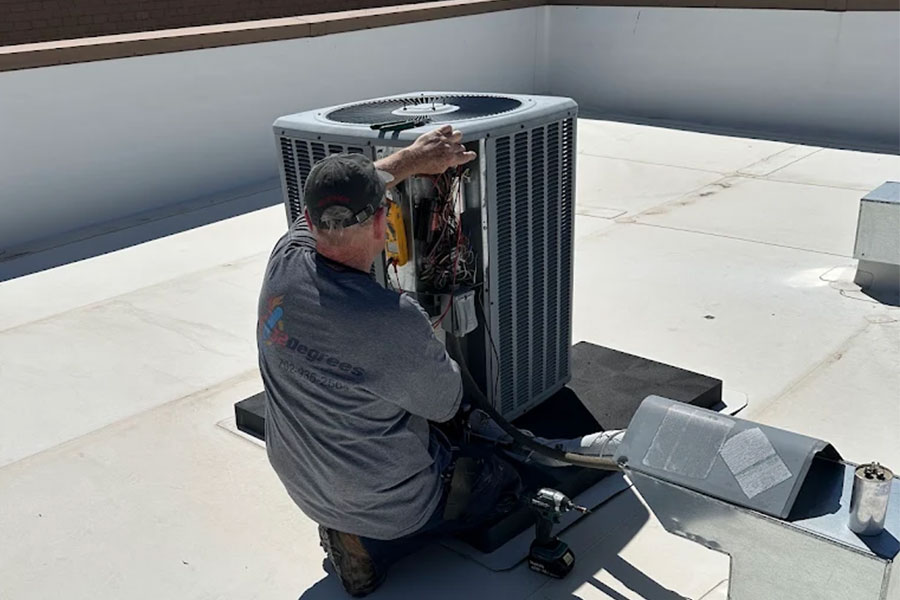
Most heat pumps give clues before they quit, and many of those clues come down to what you hear, feel, or smell around the house.
Any of these is a good reason to call before a small issue turns into a no-heat or no-cool night. A quick diagnostic now can save a lot of hassle later.
Much of Centennial Hills was built during the housing boom of the late 1990s and 2000s. That puts many original heat pumps in the 15 to 25 year range, right when compressors, reversing valves, and coils start to show their age. Systems installed during that rush were not always sized with care, and an undersized unit works overtime every summer.
Two-story floor plans are common here, and they create their own challenges. Heat rises, so upstairs bedrooms bake in July while the downstairs stays comfortable, and the system runs longer trying to balance it out. In winter, a struggling heat pump may lean on backup heat strips more often than it should.
Wind adds to the wear. Gusts coming off the mountains carry dust and grit across open lots and into outdoor units. Coils clog faster than many homeowners expect, and the whole system pays for it.
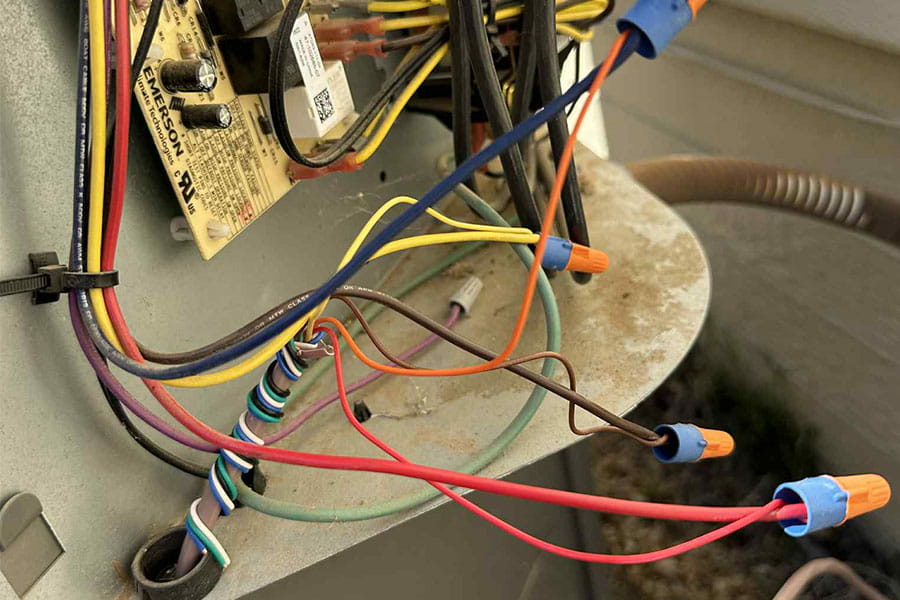
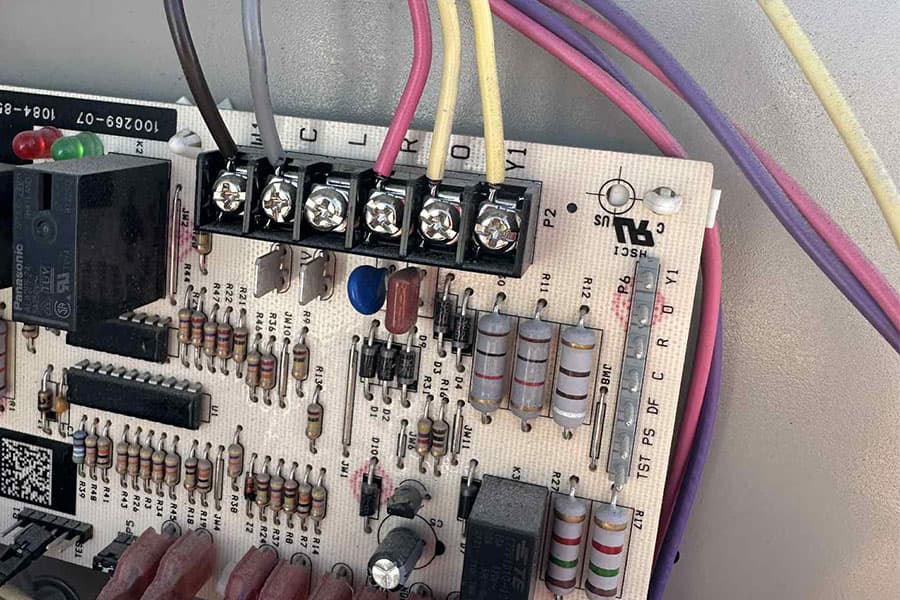
When our technician arrives, the first conversation is with you. We want to know when the problem started, what you have noticed, and whether it shows up in heating, cooling, or both. Those details often point straight to the cause.
From there, we test the system from end to end. That includes the thermostat, electrical connections, capacitors, refrigerant pressures, the reversing valve, defrost controls, and airflow through the ductwork. In homes with backup heat strips, we check those too, since a heat pump that relies on them too often usually has a deeper problem.
You get a clear explanation and your options before we touch anything. Once you decide, we complete the repair and confirm the system runs properly in both heating and cooling modes. If something cannot be fixed in a way that makes sense, we say so plainly and help you plan next steps.
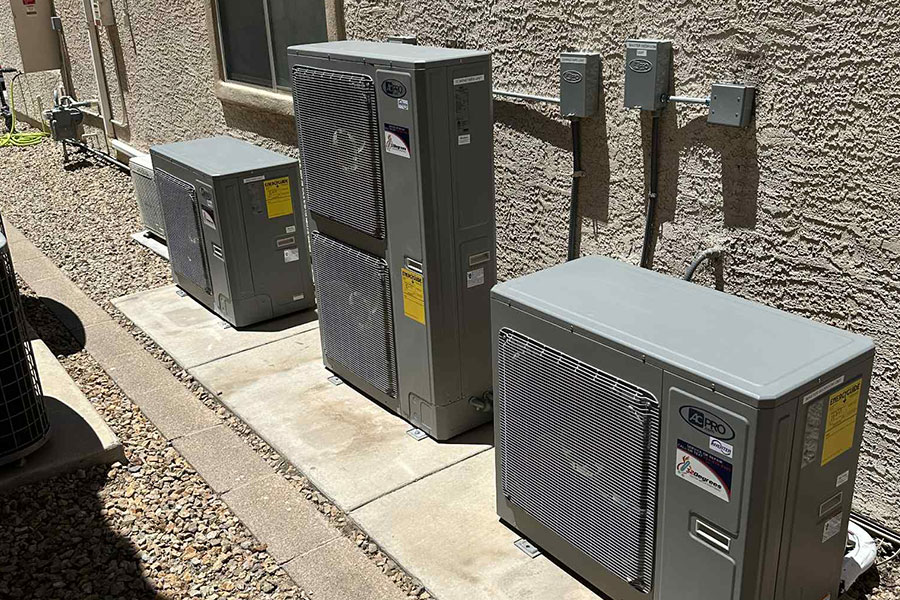
Mike lives in a two-story home in Providence, and on a cold December morning his family woke up to a house that would not warm past the low 60s. The heat pump was running, but his power bill had jumped the month before, and the system kept leaning on its backup heat. He called us expecting bad news.
Our technician found a failing reversing valve solenoid that was keeping the heat pump from switching fully into heating mode. He replaced the solenoid, checked refrigerant pressures, and cleared a layer of dust from the outdoor coil. By the time he packed up, the upstairs was warming evenly and the backup heat had stopped kicking on.
Mike said the best part was hearing exactly what went wrong and why. He did not need a new system, just the right repair. That clear explanation is something we bring to every home.
Our team was built by technicians who were tired of rushed calls and sales quotas, and that shows in how we work.
Centennial Hills homeowners deserve a company that treats their home with respect. That is the standard we hold ourselves to on every call.
Backup heat should only kick in on very cold mornings or during defrost cycles. If it runs often, the heat pump may have a refrigerant, valve, or airflow problem worth checking.
Heat rises in two-story homes, and an aging or undersized heat pump struggles to keep up. Airflow issues, dirty coils, or duct problems can make the difference worse.
Many last around 10 to 15 years here because they run year-round in demanding conditions. Regular maintenance and timely repairs help them reach the longer end of that range.
A brief dusty smell when the heat first runs is common. A strong or lasting burning smell can point to an electrical issue, so turn the system off and call for service.
In many cases, yes. We look for a repair that makes sense first and only discuss replacement when the system’s age or condition makes a repair a poor value.